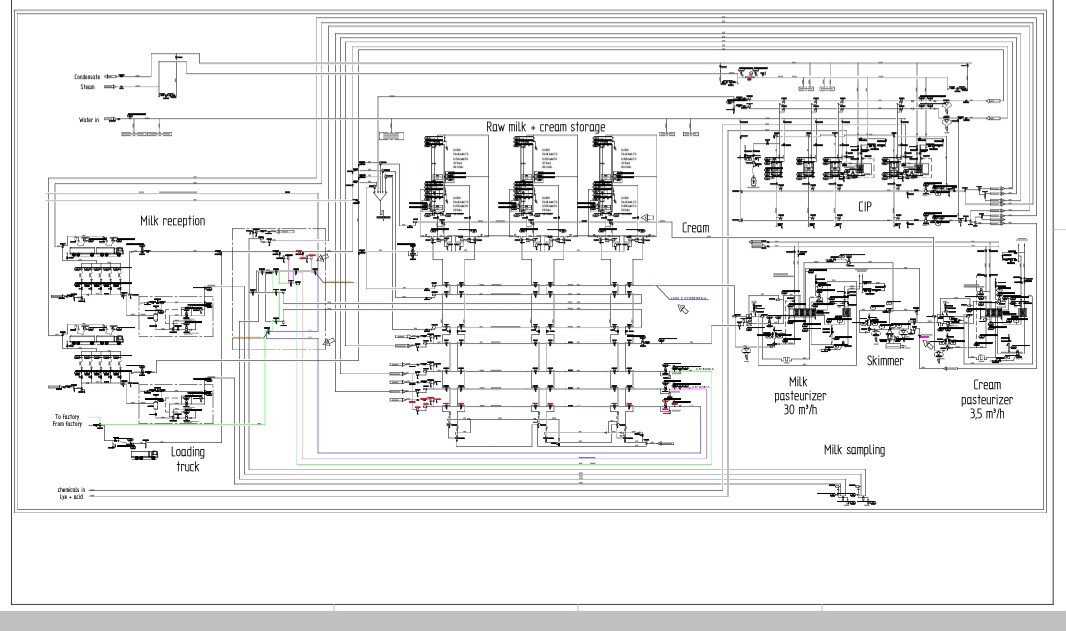
Description:
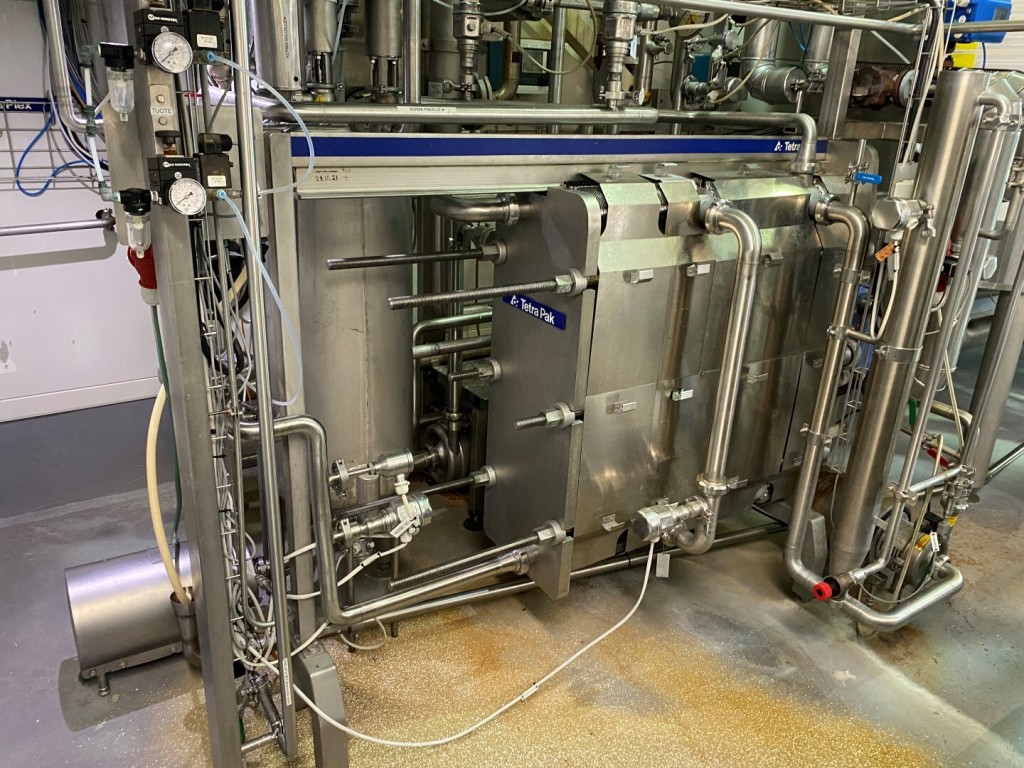
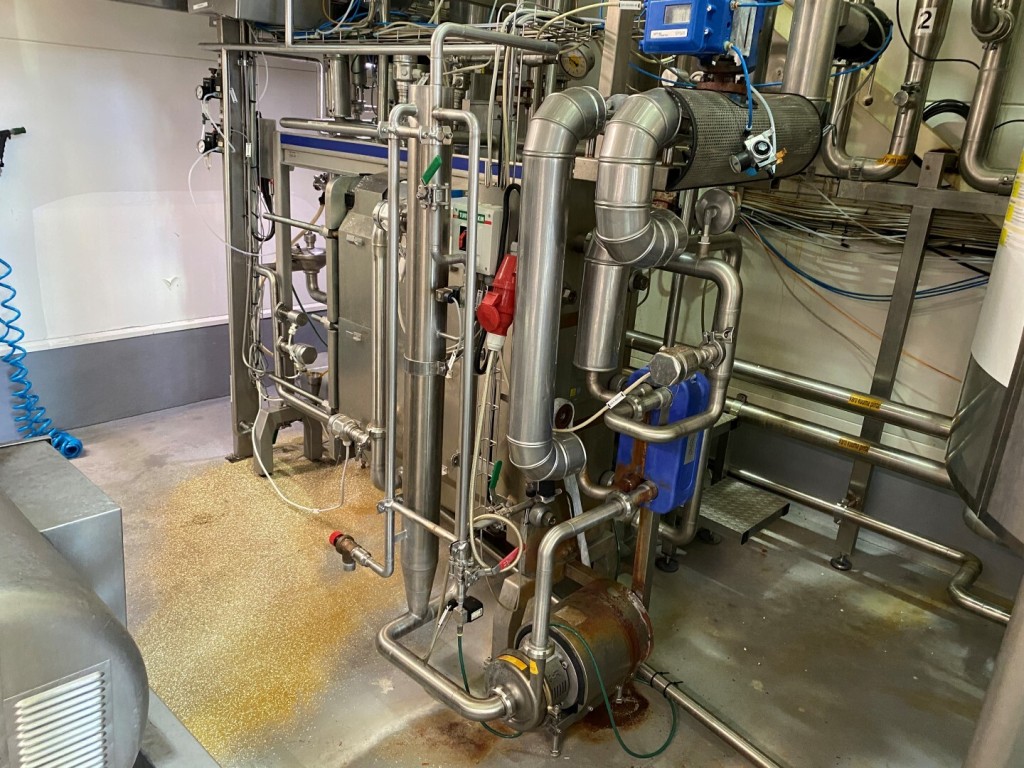
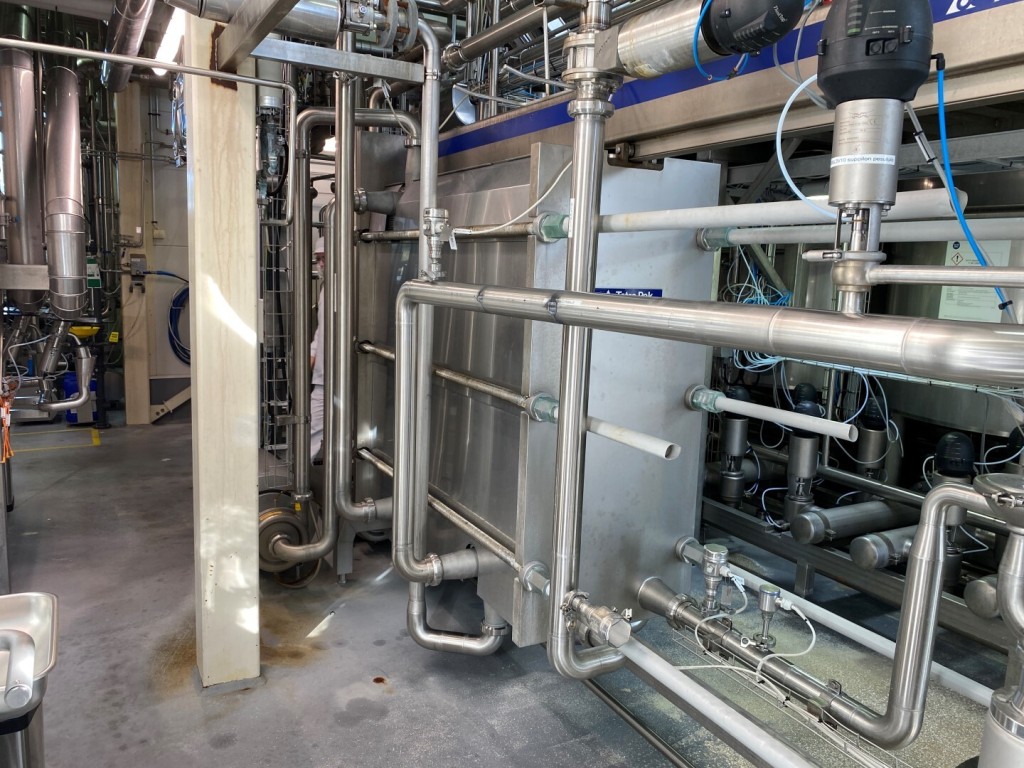
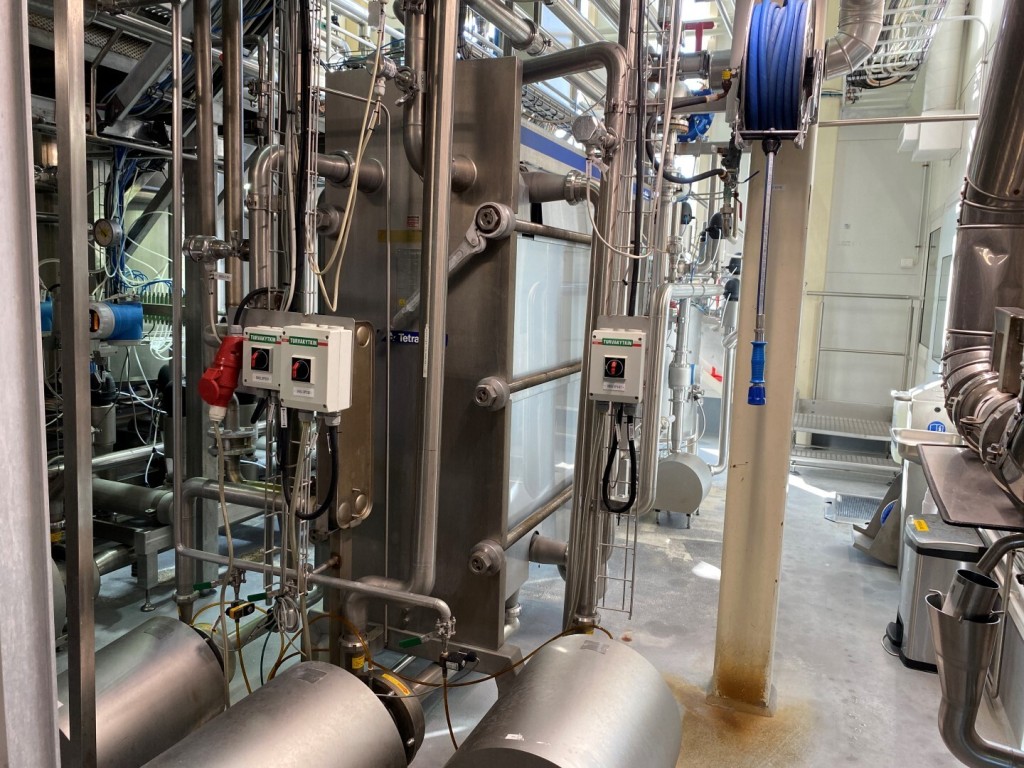
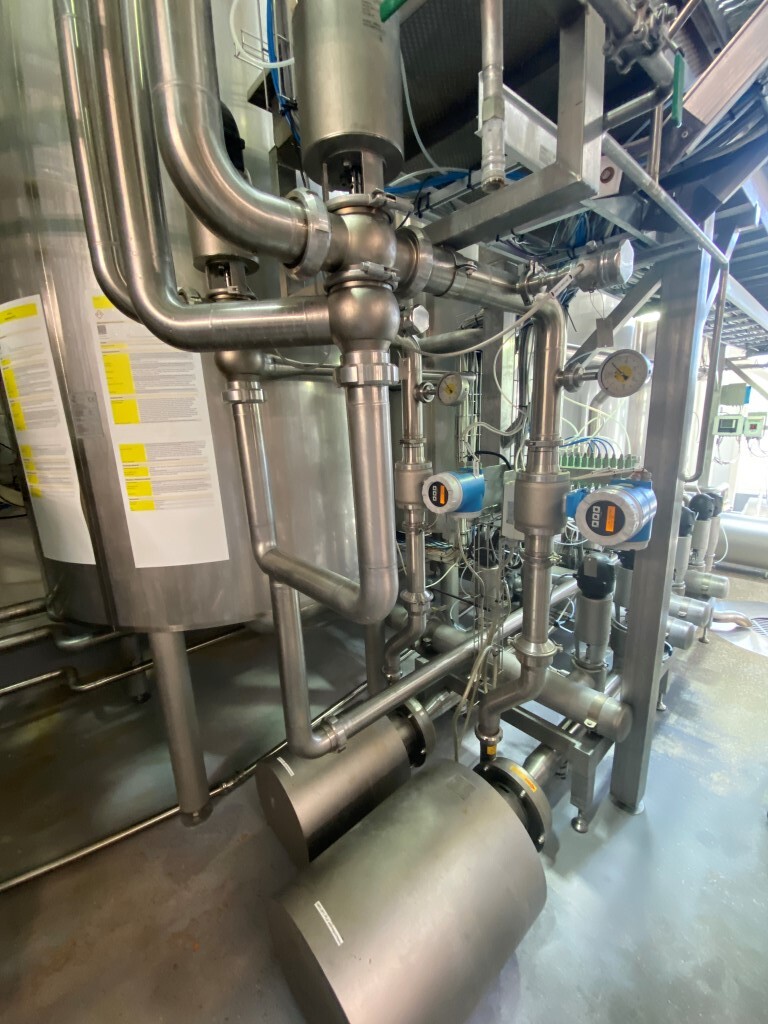
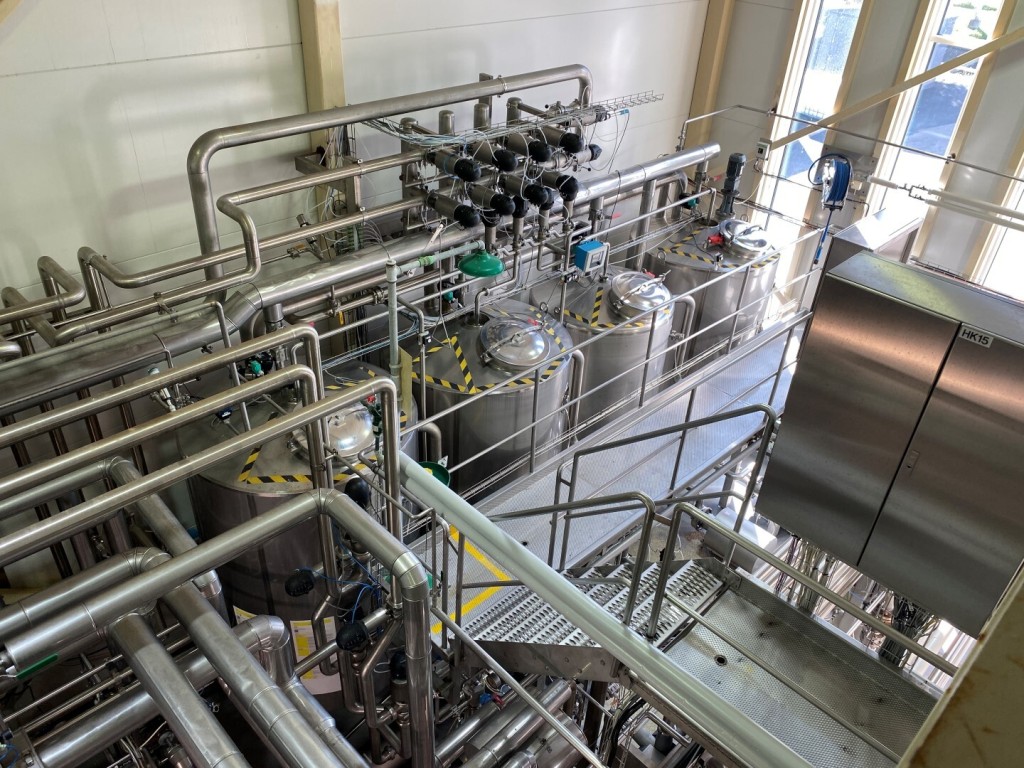
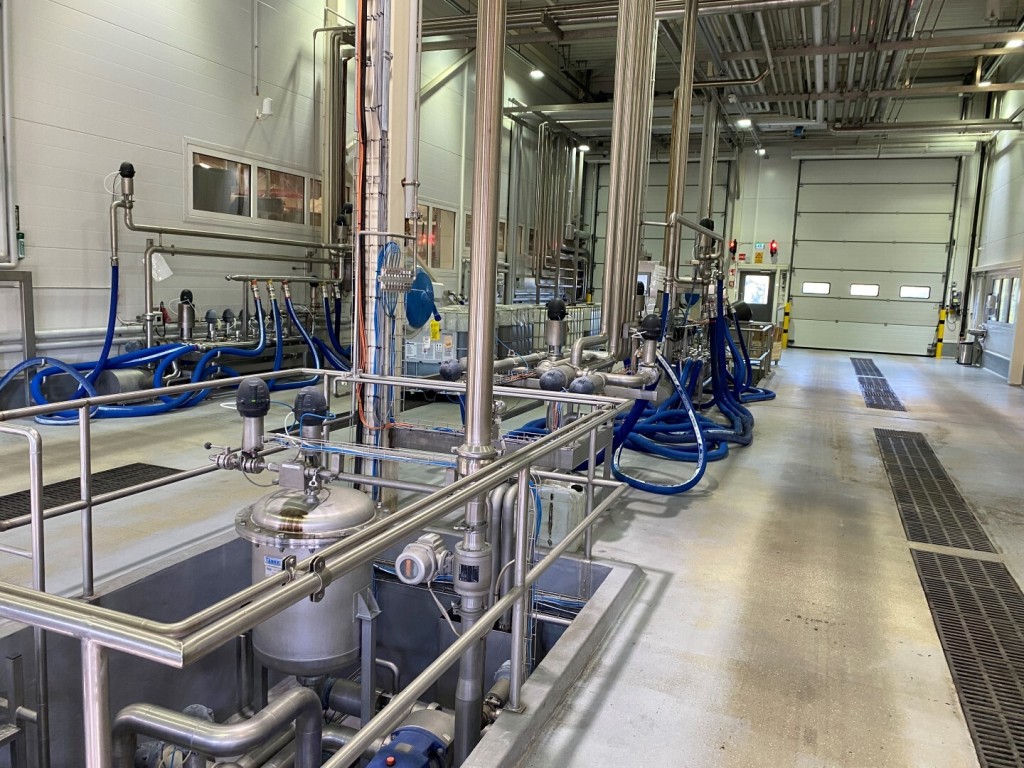
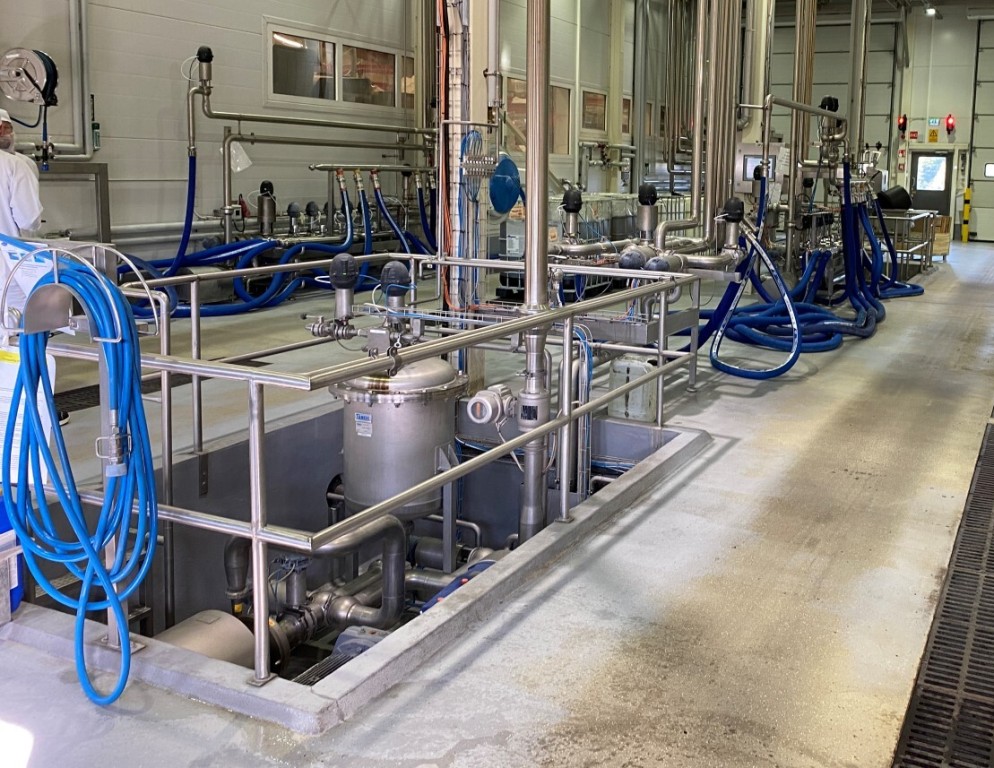
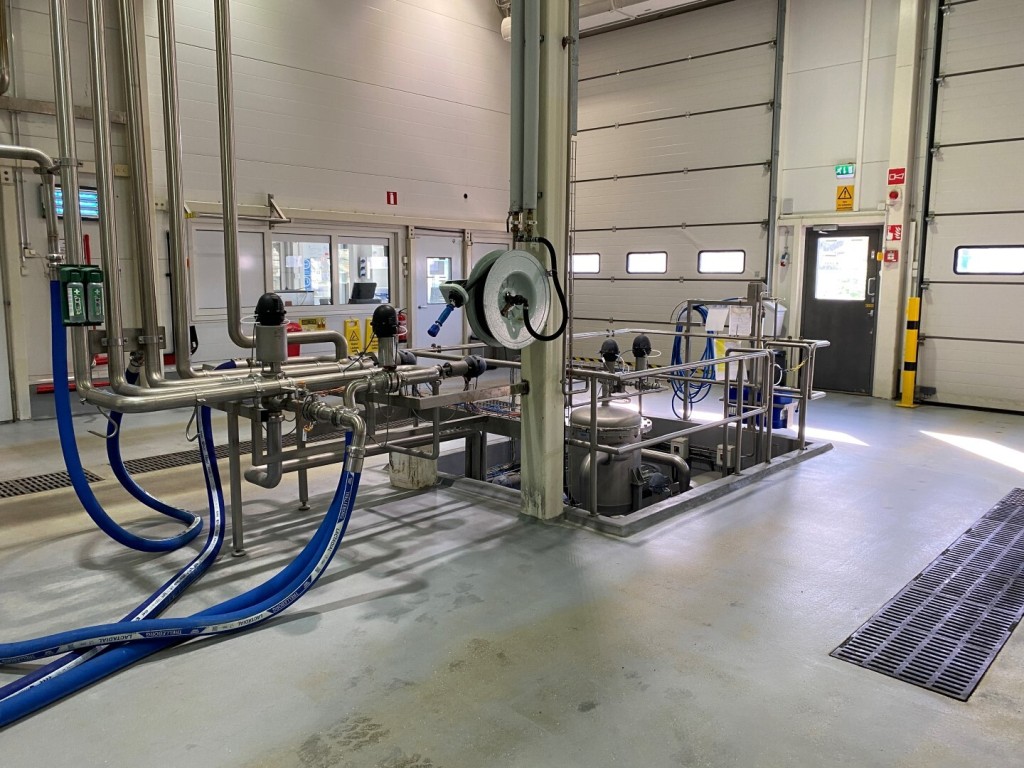
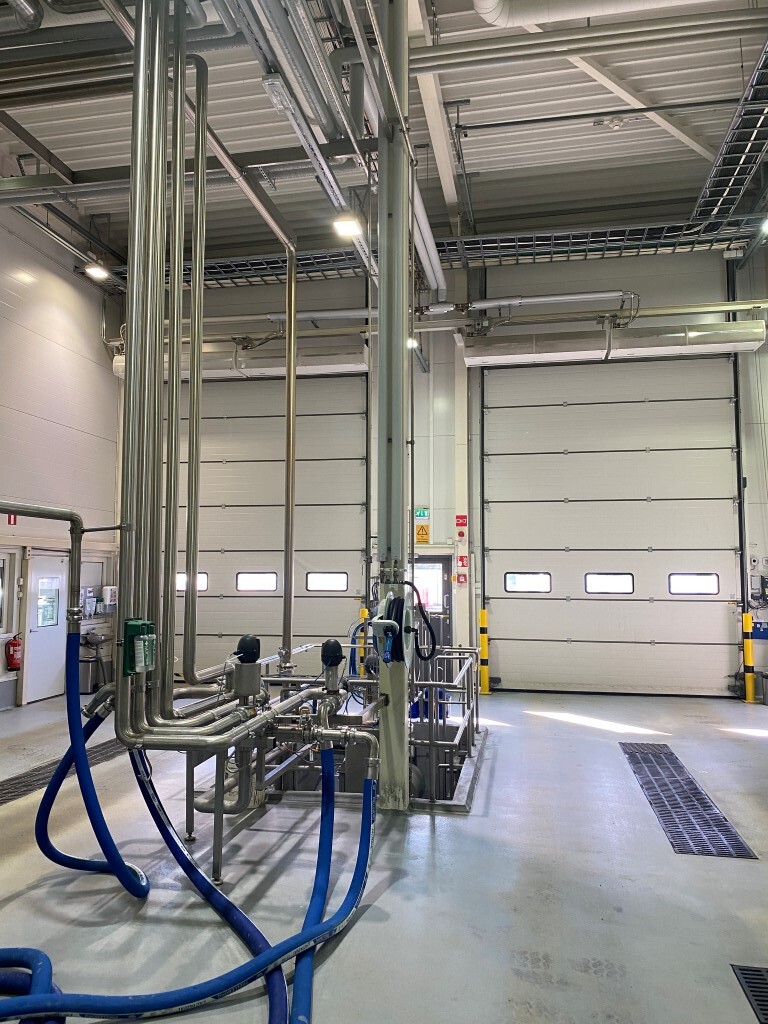
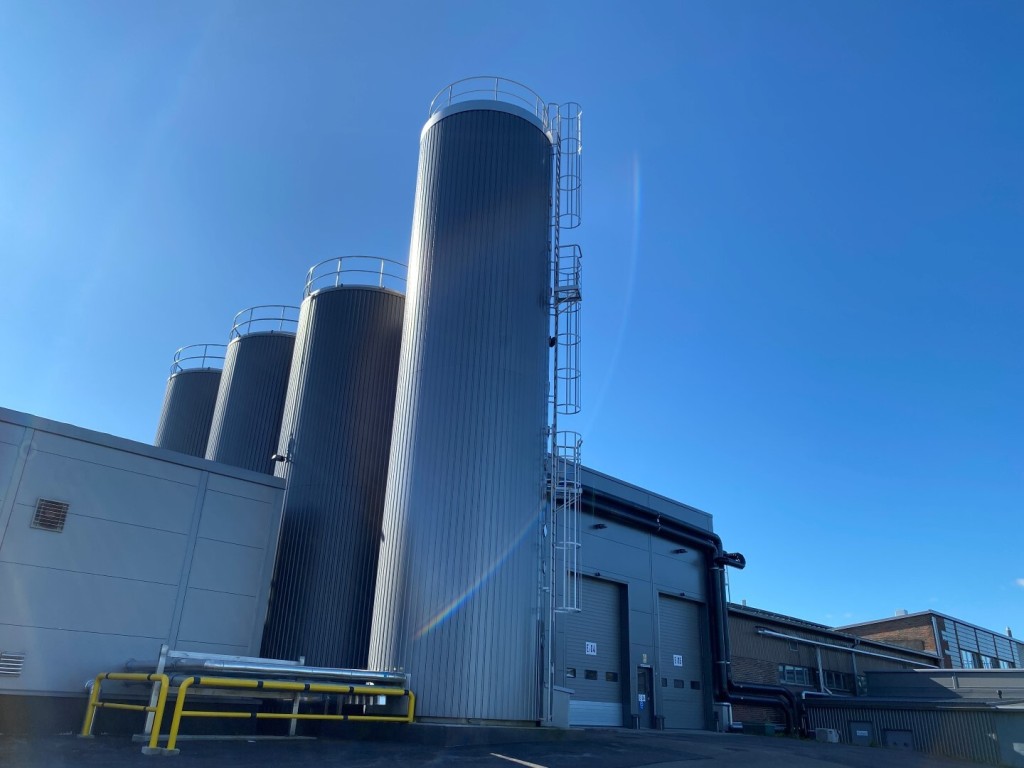
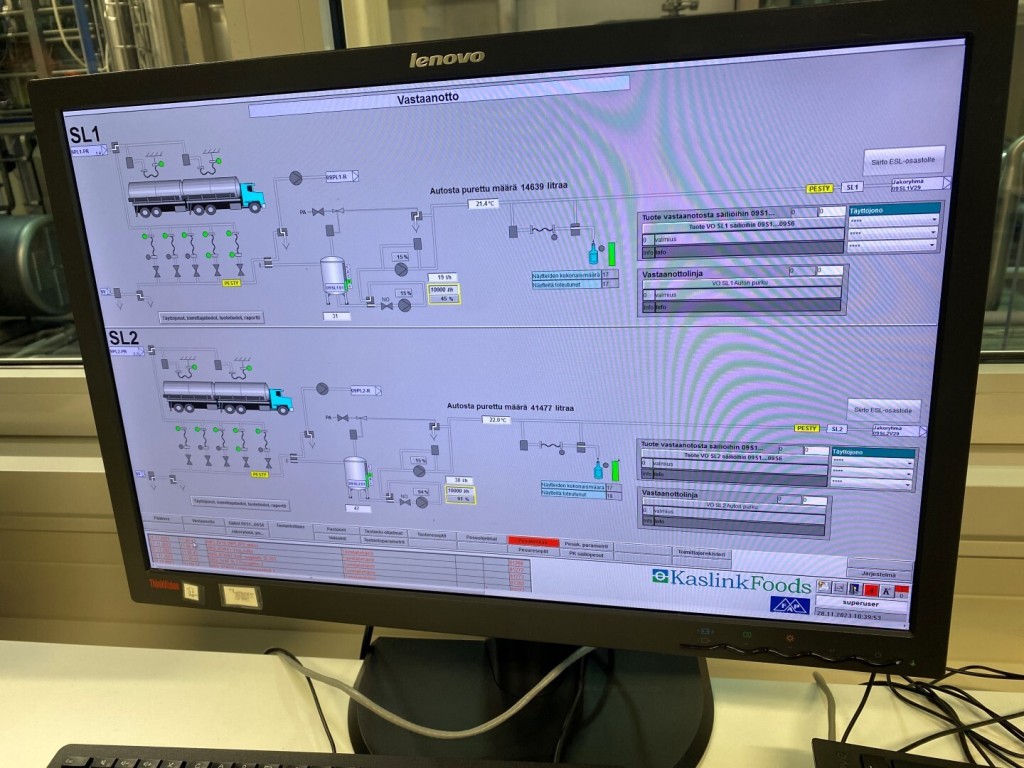
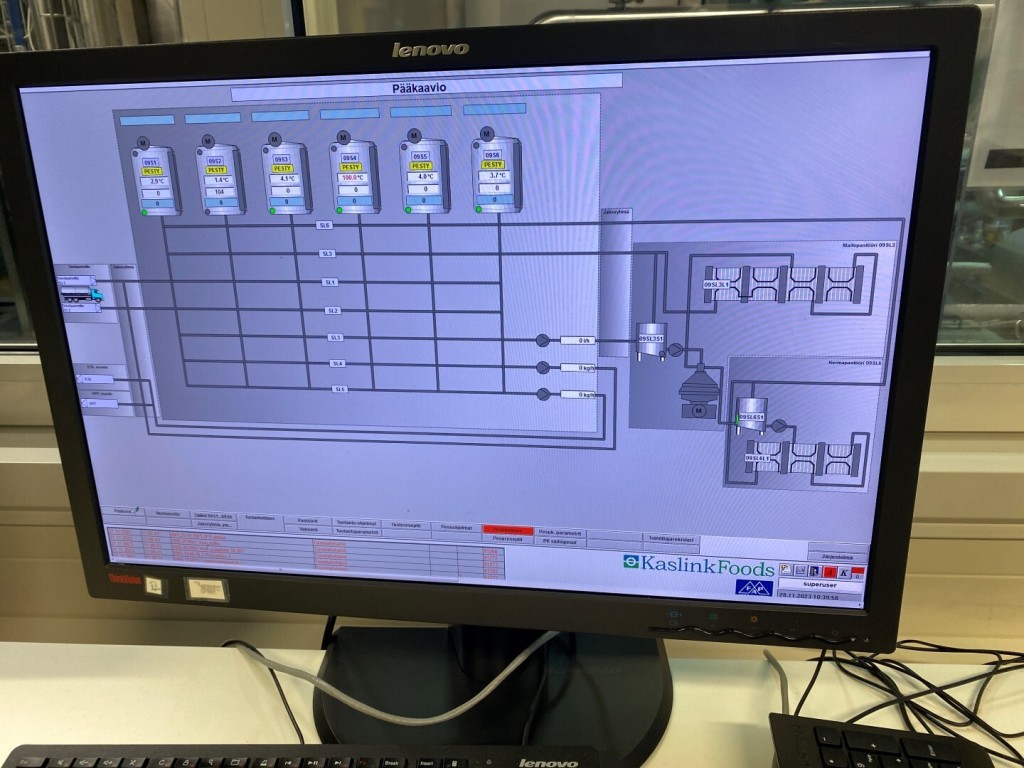
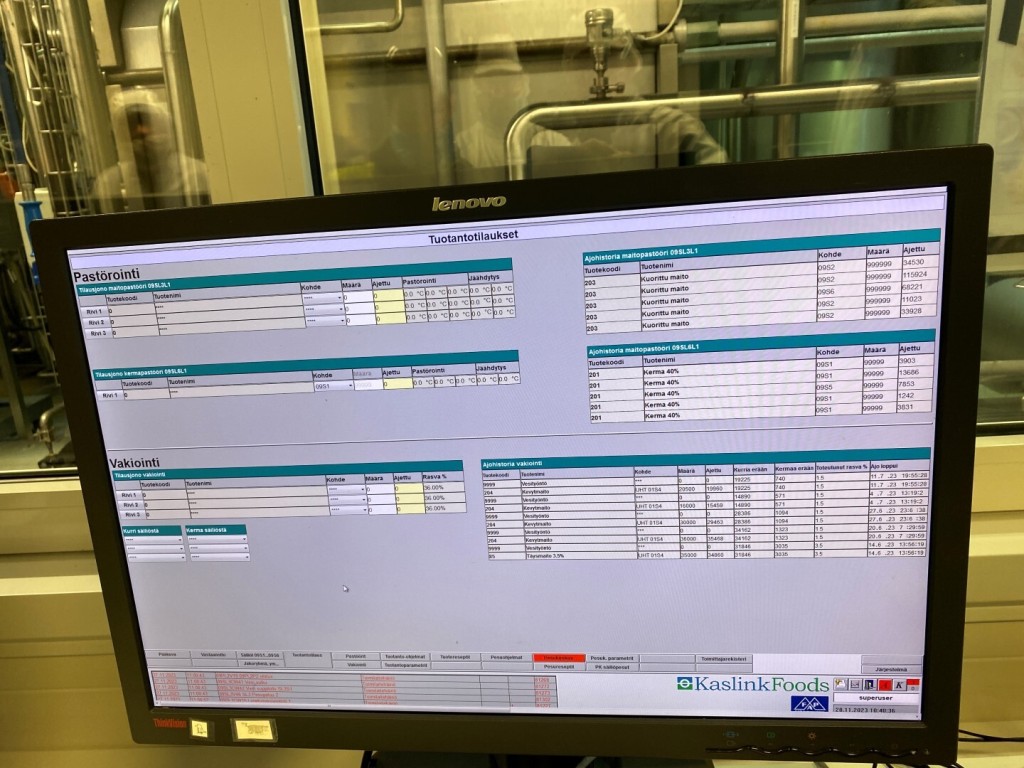
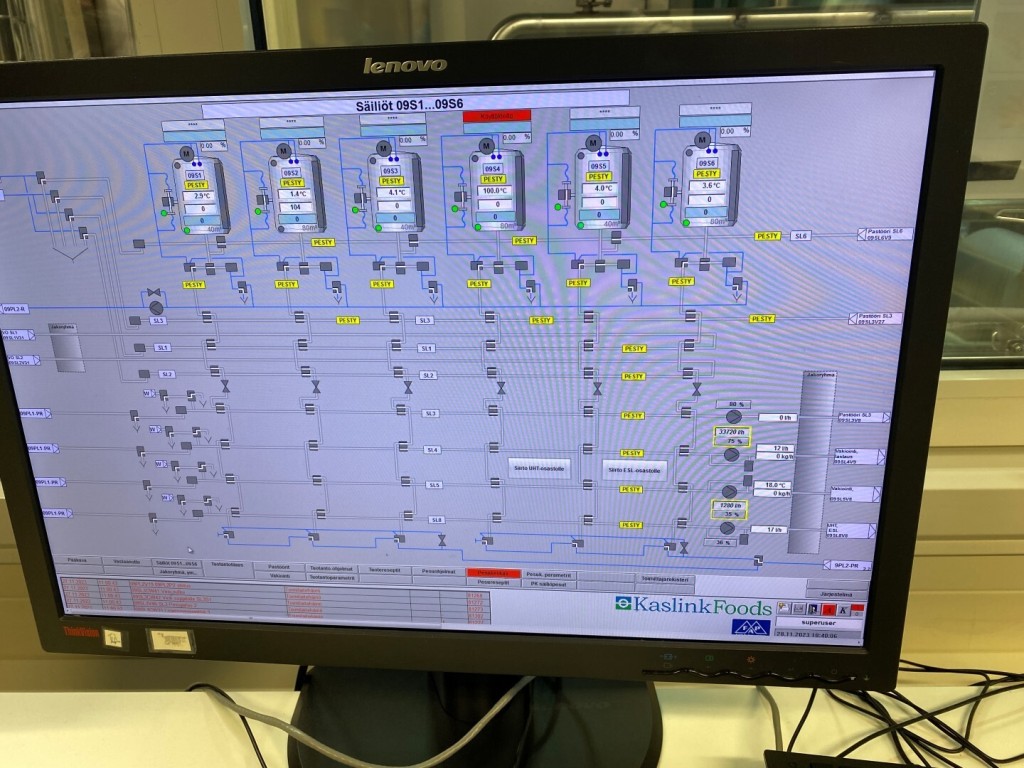
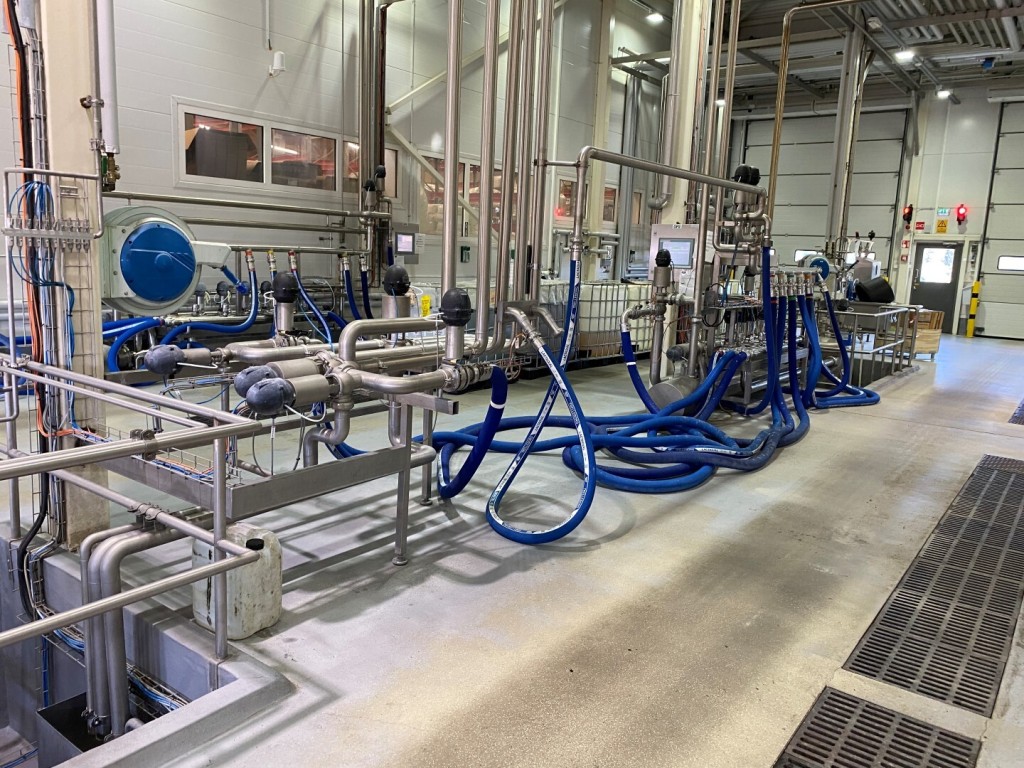
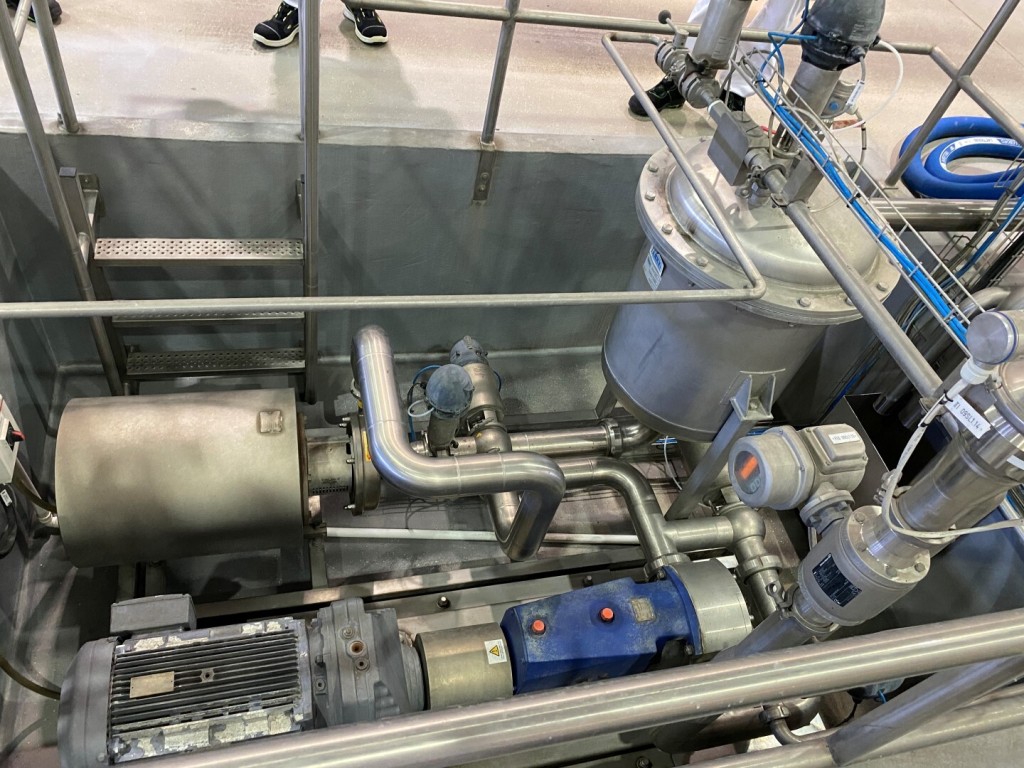
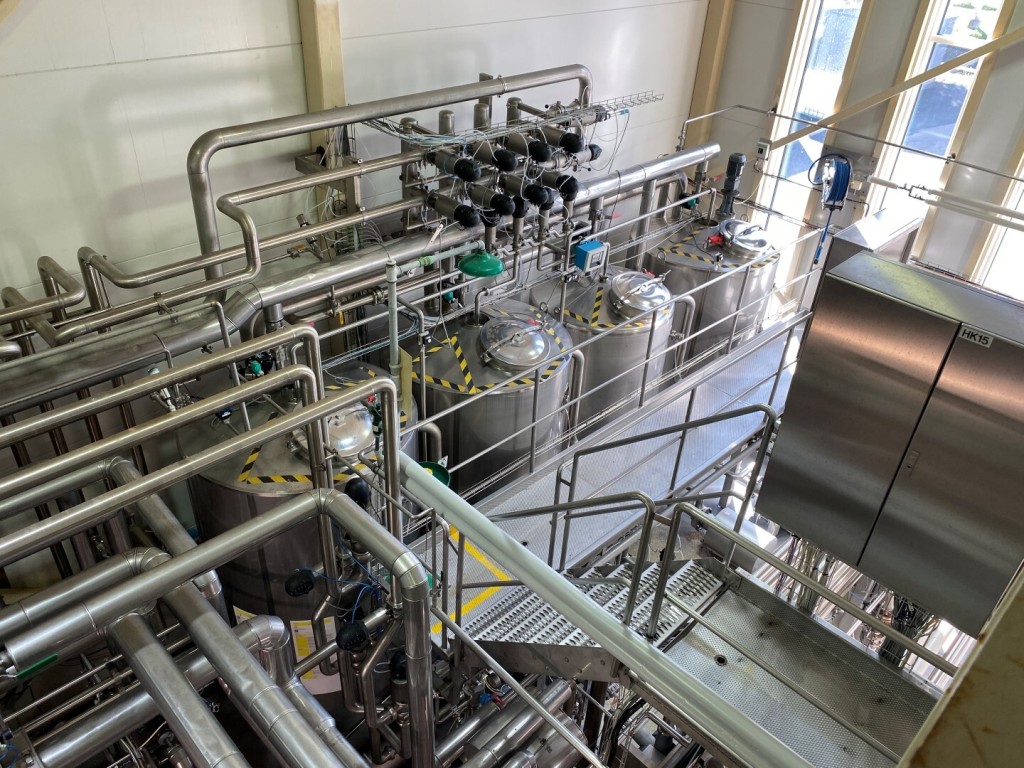
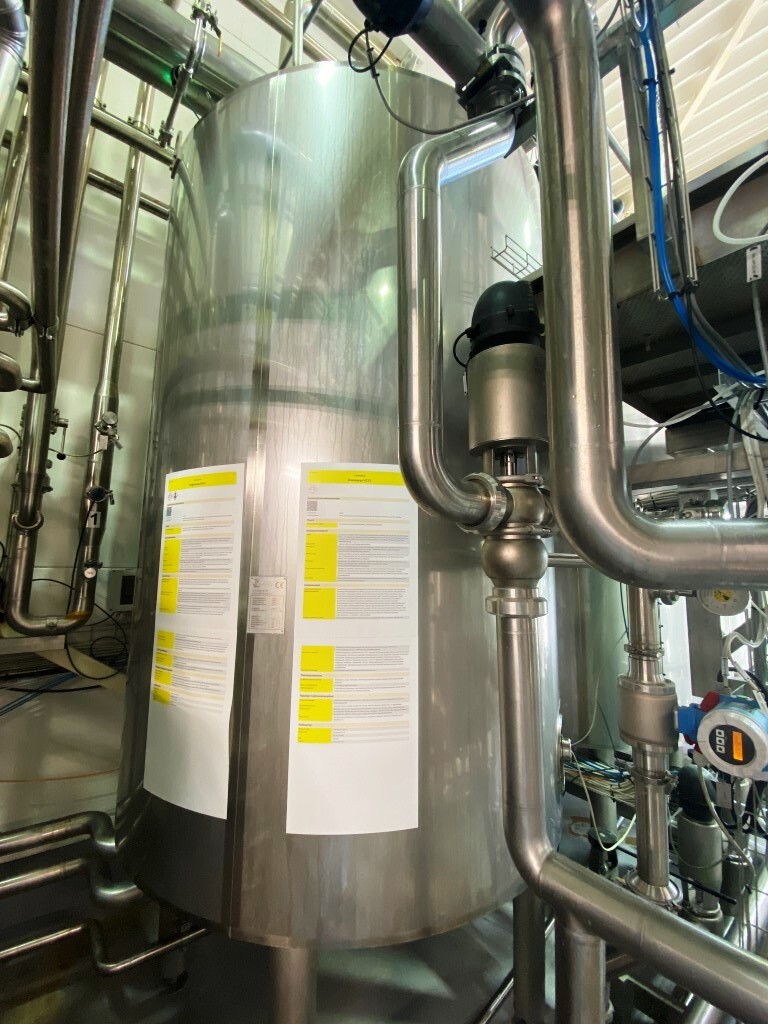
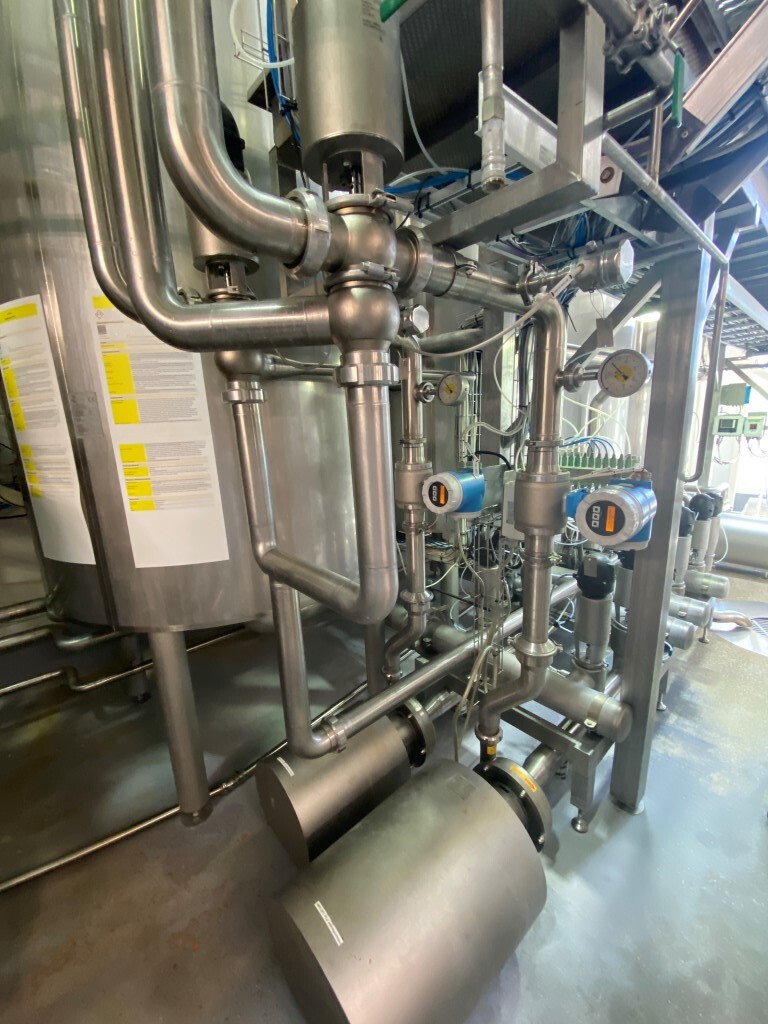
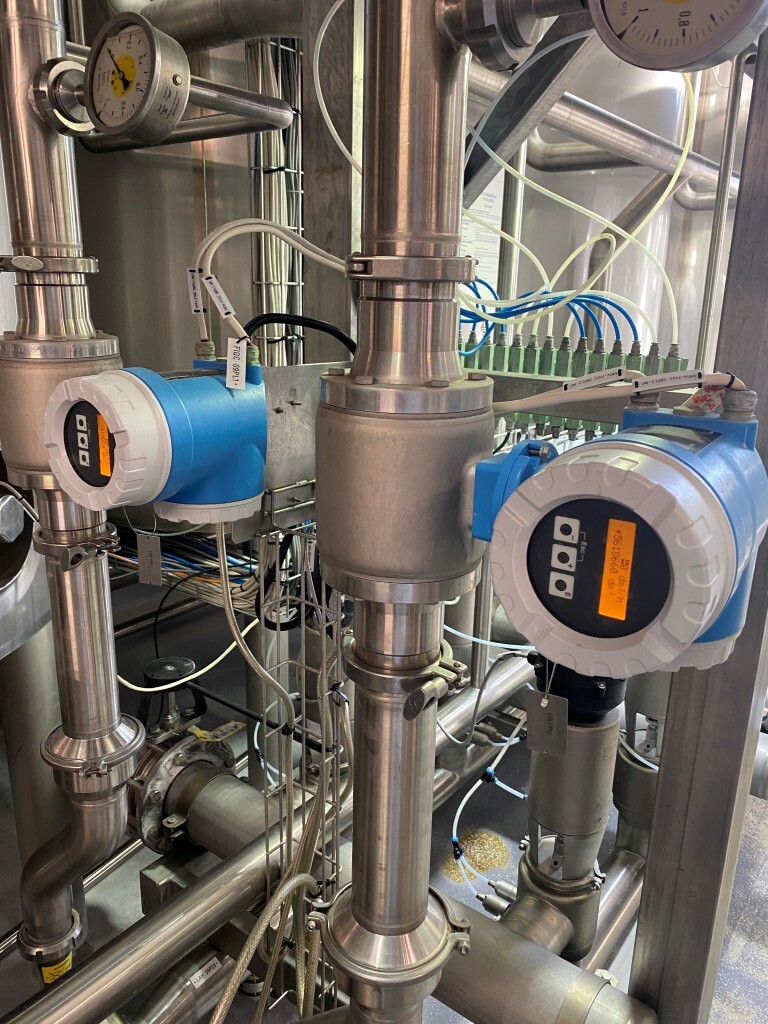
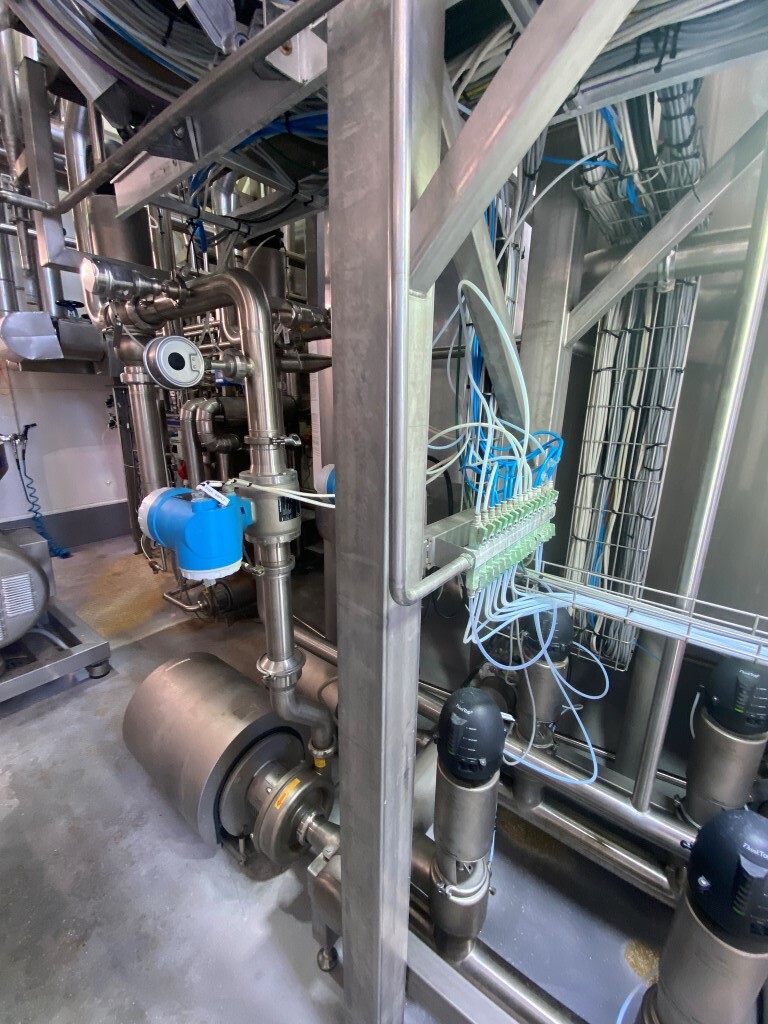
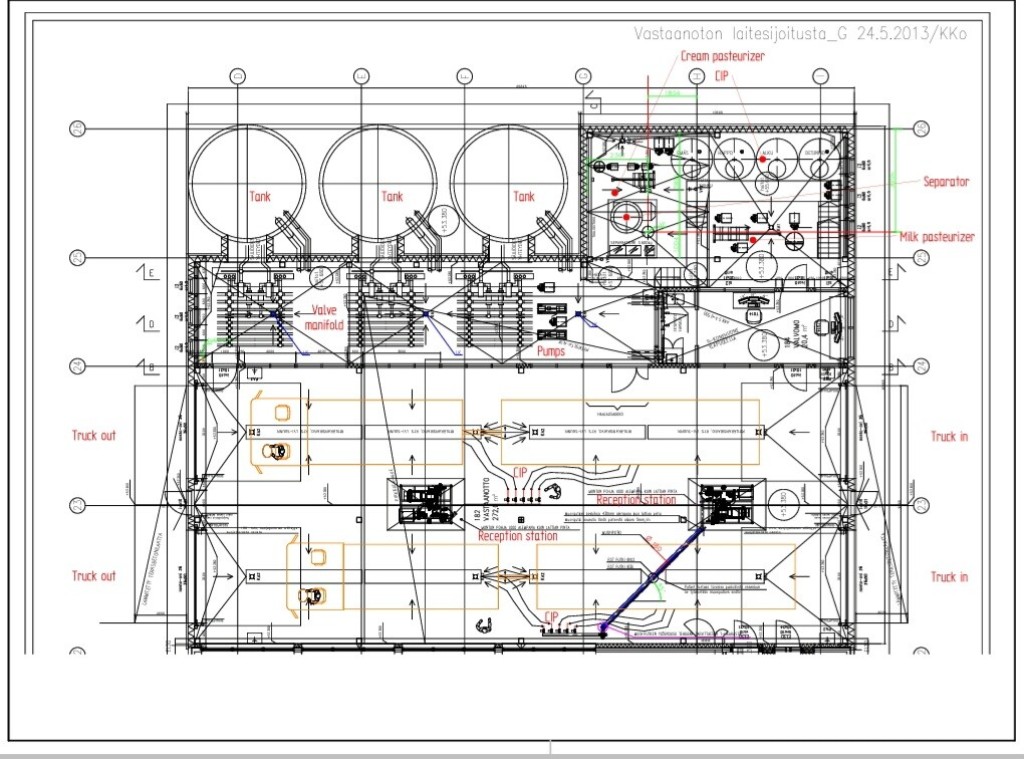
Complete milk reception and processing plant. Components are supplied by by Tetra Pak / Alfa Laval. 2 milk receptions stations. Each reception station has 5 hoses to connect to the truck, an air-eliminator, flow transmitter, temperature transmitter, Centrifugal pump for milk and lobe rotor pump for cream reception. Including valves, piping and it is all skid mounted. A full automatic milk sampling station is placed in the processing area. Capacity reception: 50.000 liter per hour milk or 30.000 liter per hour cream per set. There is 1 milk or cream send out station for re-pumping the milk and cream back into the truck. Including 2 cleaning units for milk transport trucks. Including valve manifolds in front of the raw milk and cream tanks. Flexible valve manifolds to receive raw milk and distribute it over 6 tanks and at the same time distribute pasteurized skim milk or cream from the same tanks. Including lobe pump for cream and centrifugal pump and (Mass) flow transmitters for milk standardization, and distribution to the users. Mix-proof design. The valves of the manifold are Tetra Pak Unique valves. Including 6 storage tanks. Vertical Insulated tanks placed outside with propeller agitators, sensors (level/temperature), breathers, sprays balls for CIP cleaning, tank sensors, CIP cleanable sampling valve, cove to the inside, breather insulated to the inside with drip tray. There are 2 tanks combined in 1 body each tank has a capacity of 40.000 plus 80.000 liter in separate departments on top of each other, so 3 tanks of each 120.000 liter. The tanks can be filled with raw milk or processed milk or cream . Frame work in front of tanks is included. Milk pasteurizer, temperature cycle: input: 4°C to separator at 55°C high 75°C - out at 3°C. Complete kit with balance tank, pumps, plate heat exchanger C10-KSM, valves, sensors, steam-hot water system, holding tube, interconnecting piping, flow transmitter.
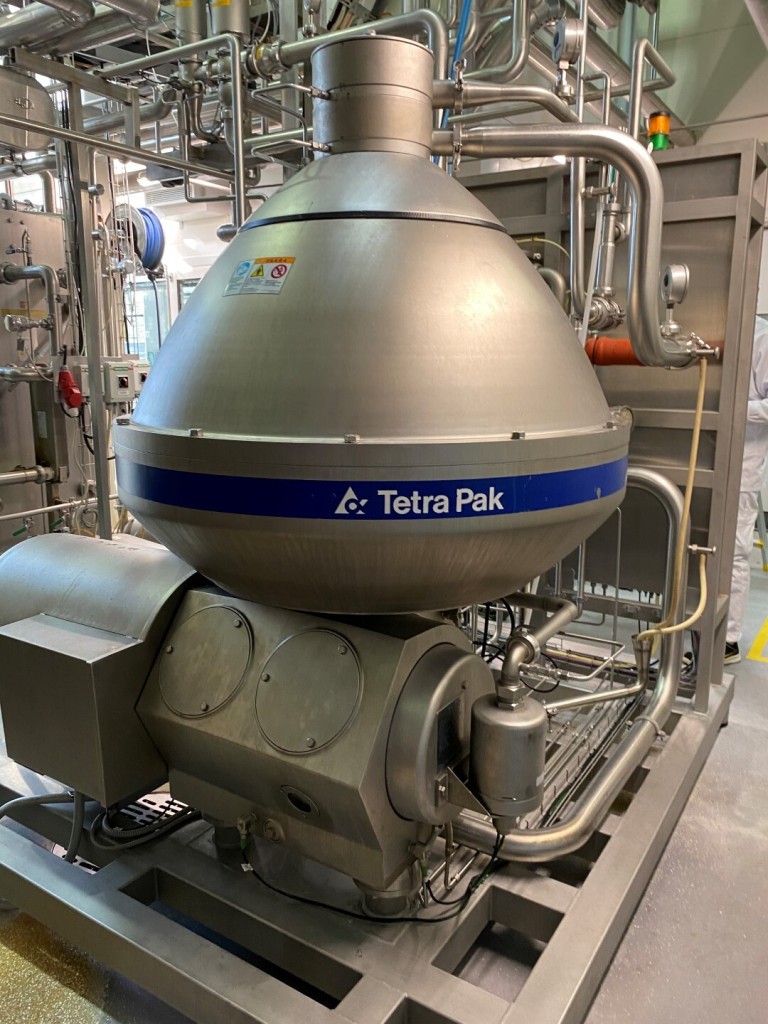
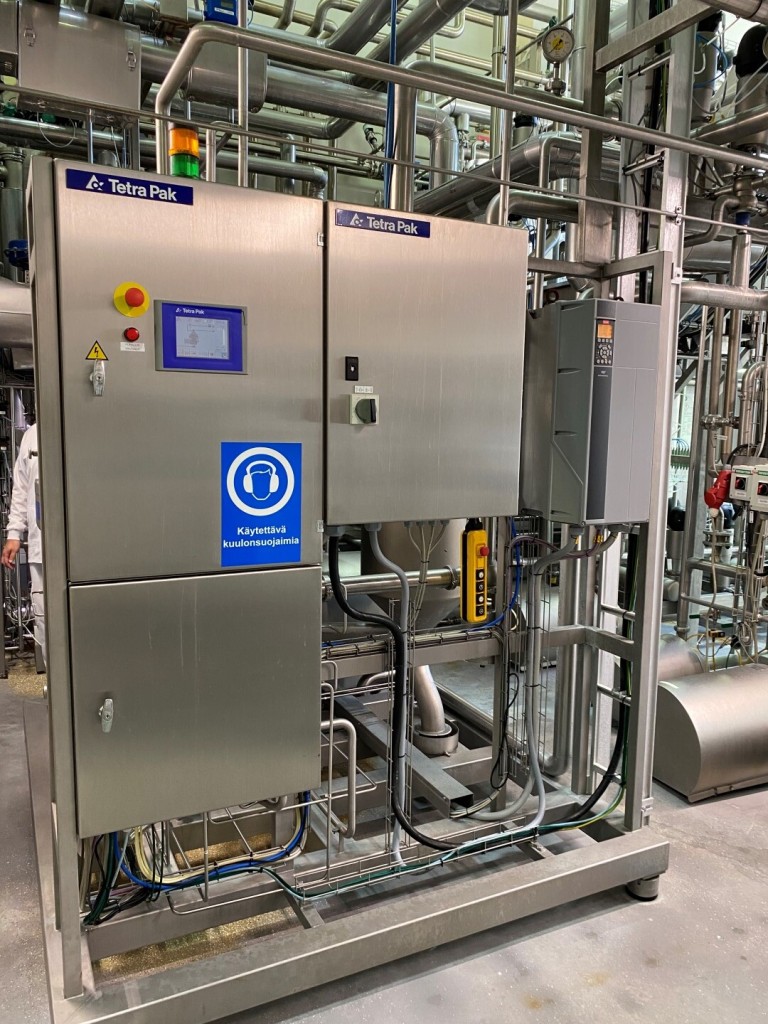
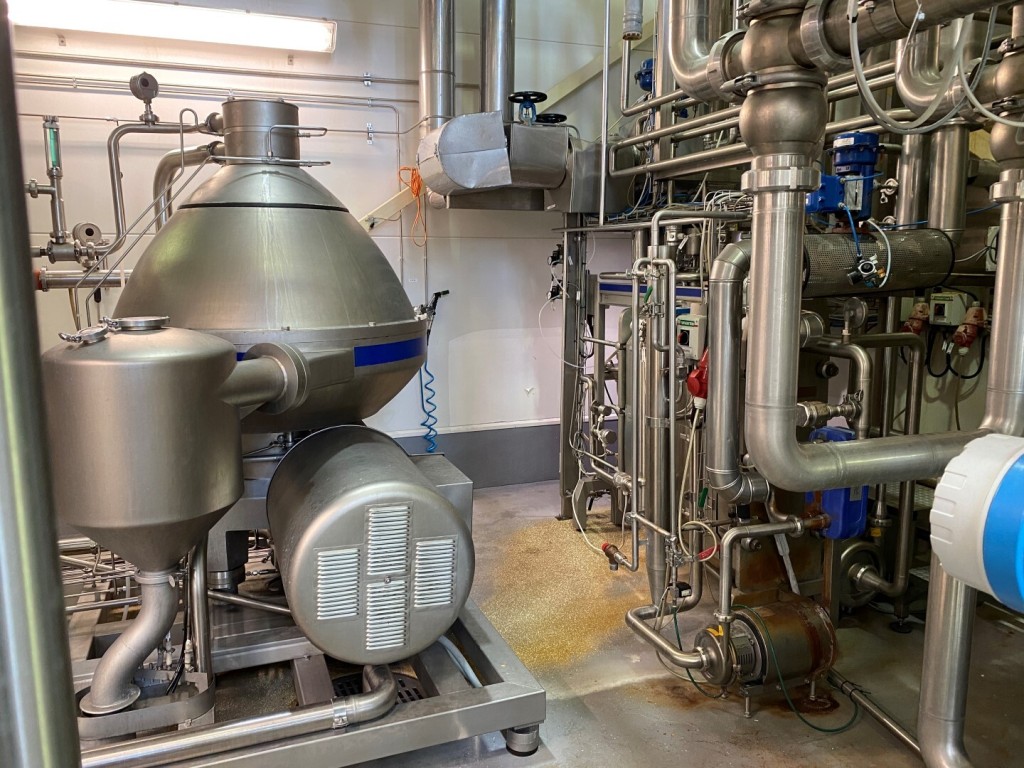
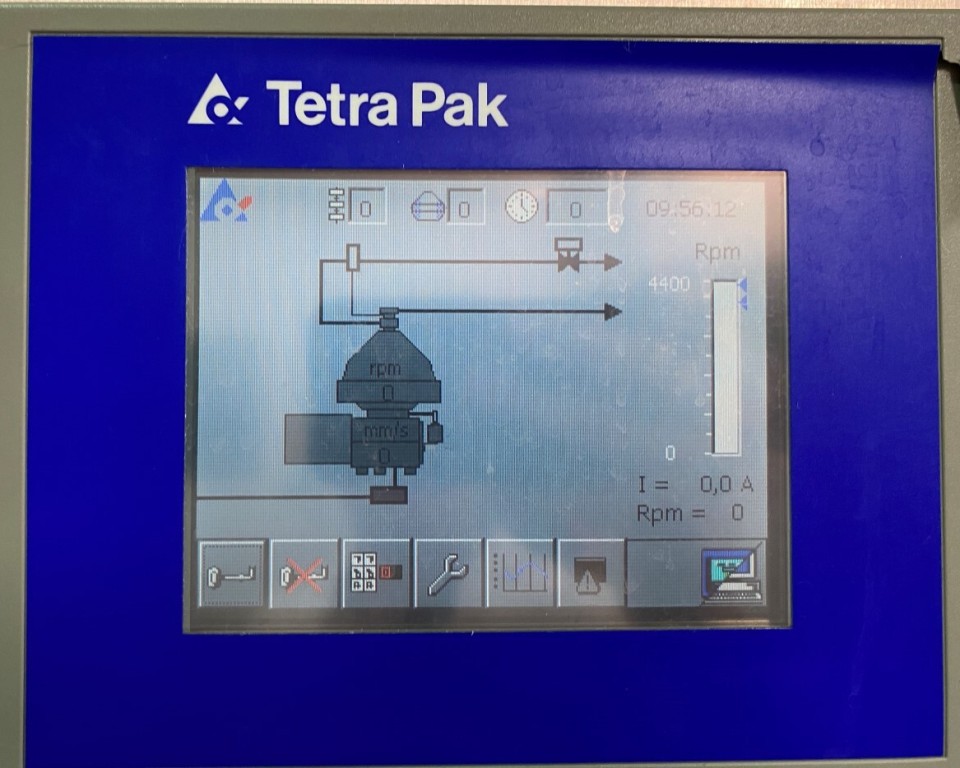
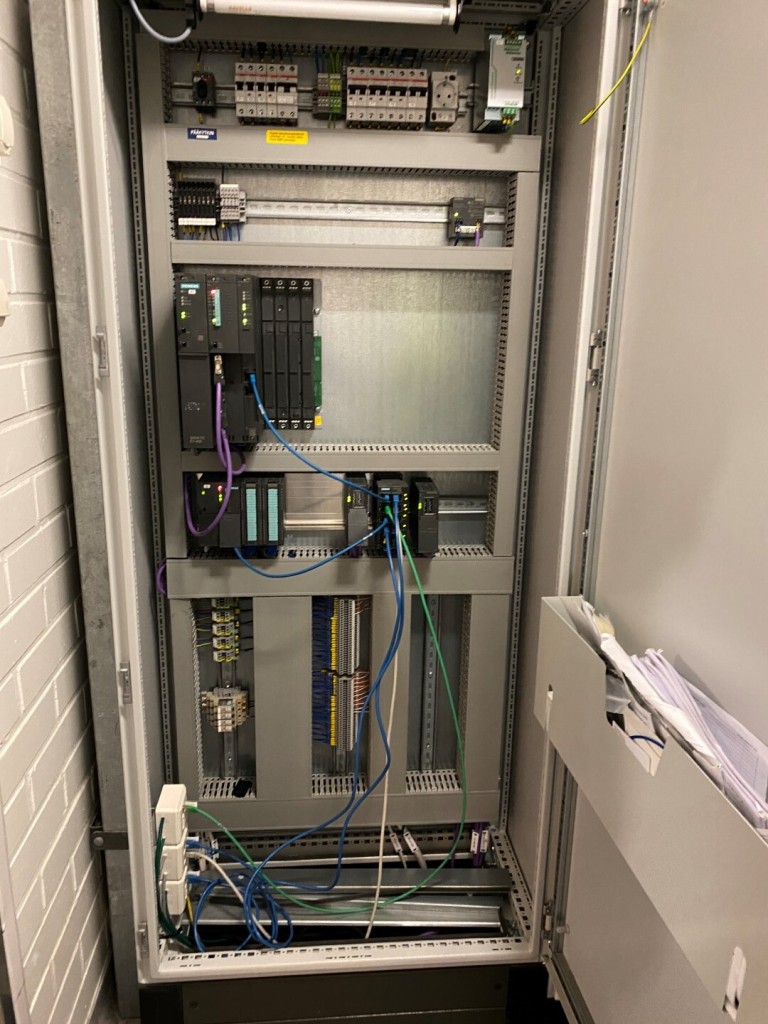
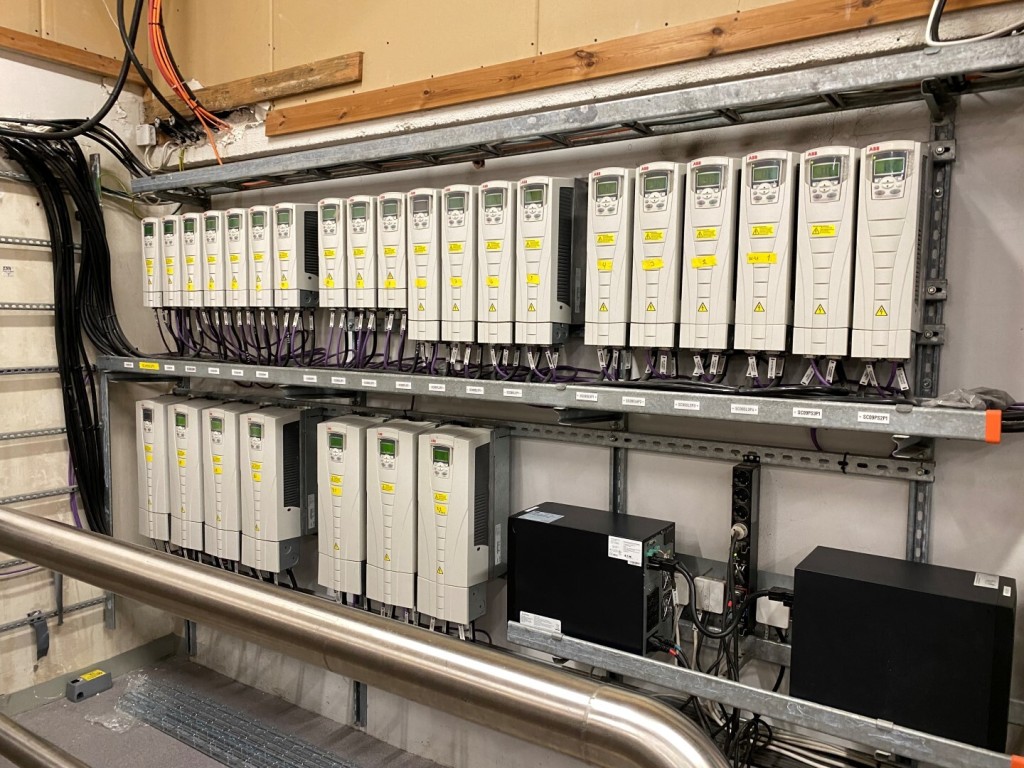
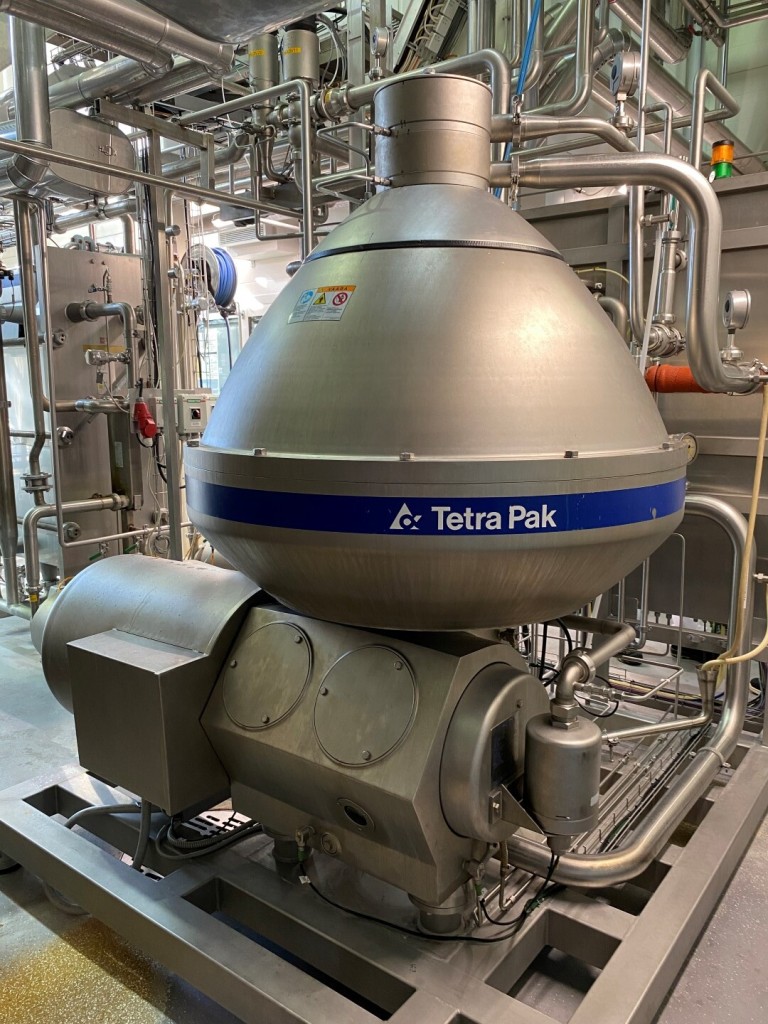
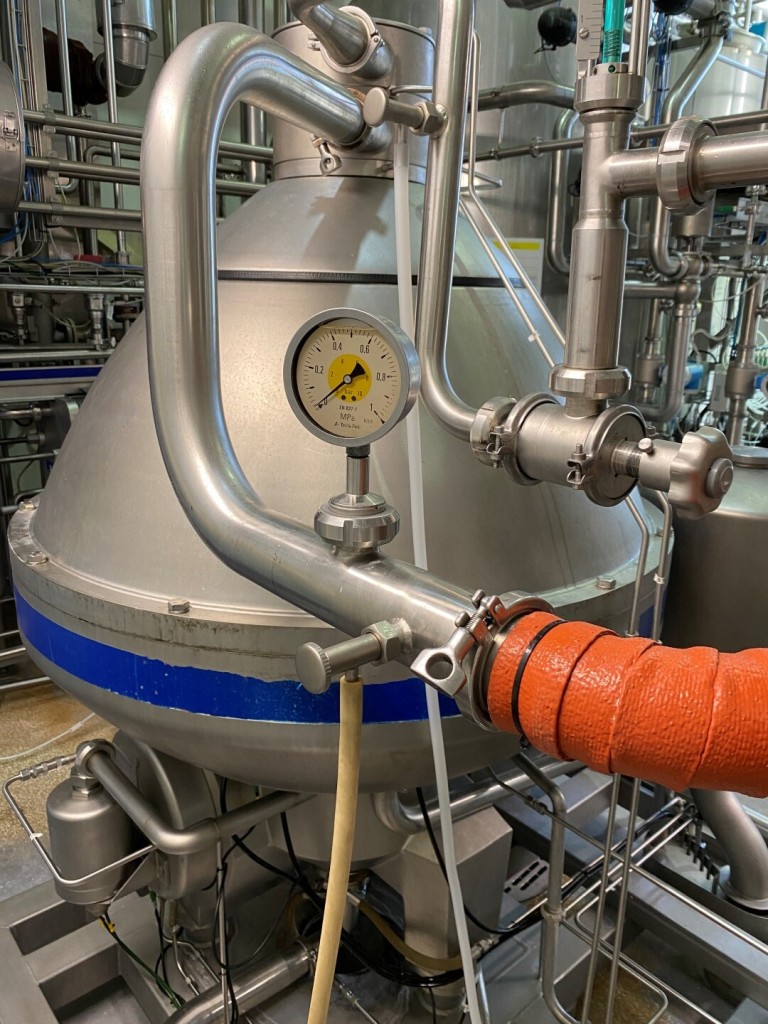
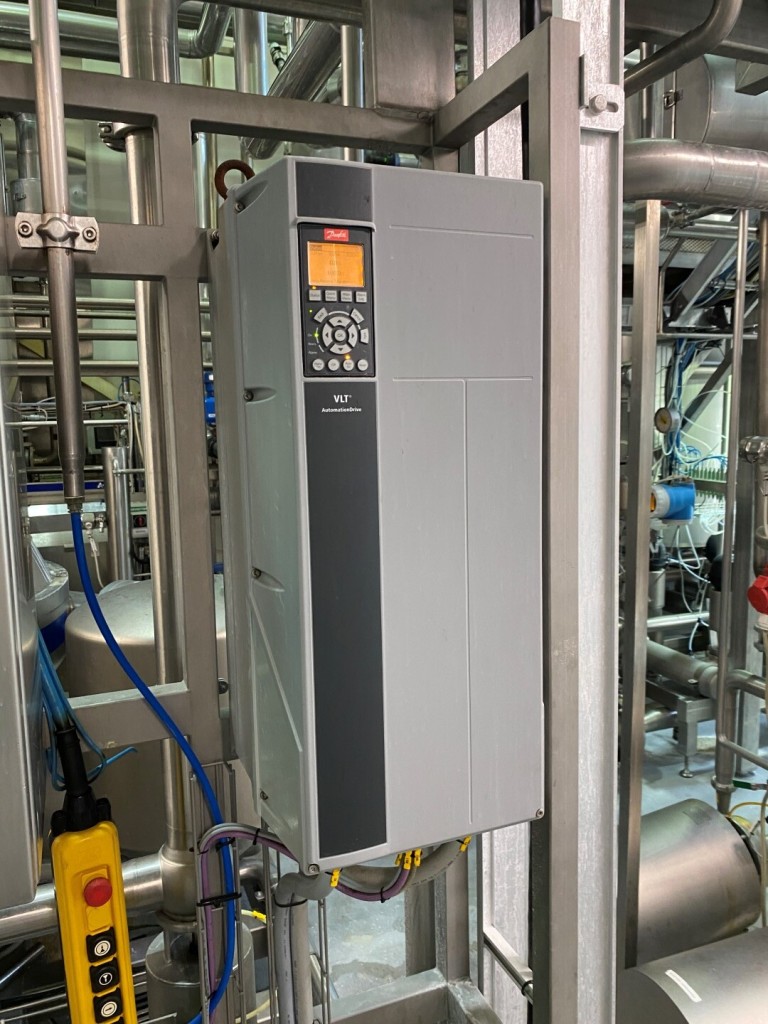
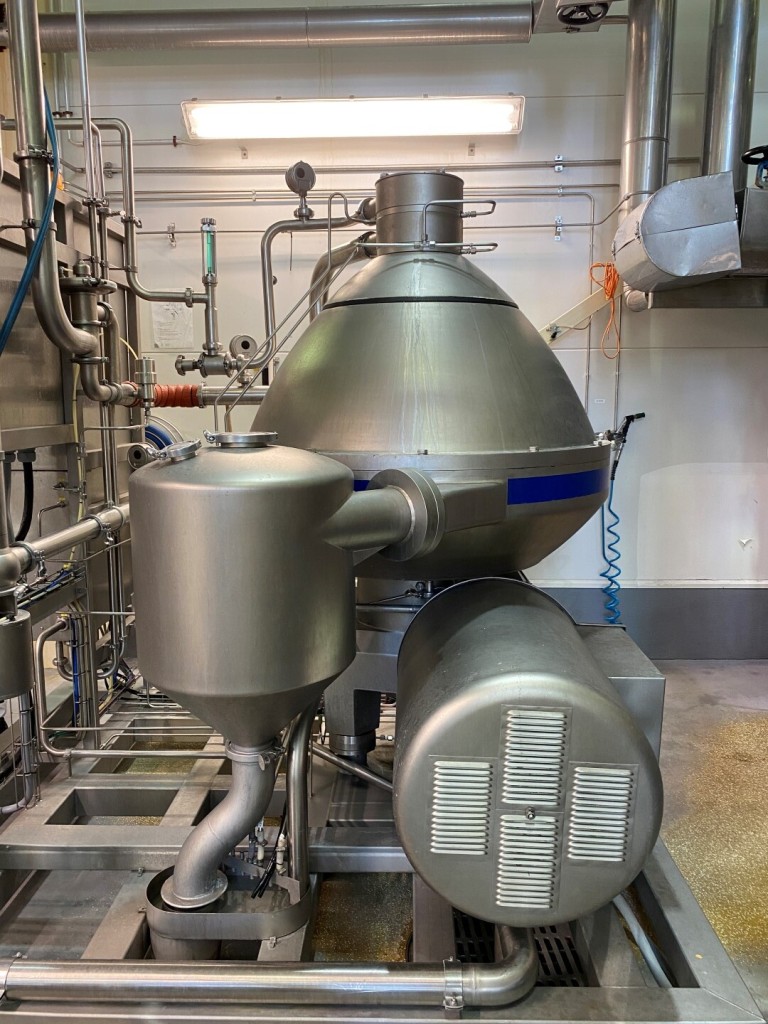
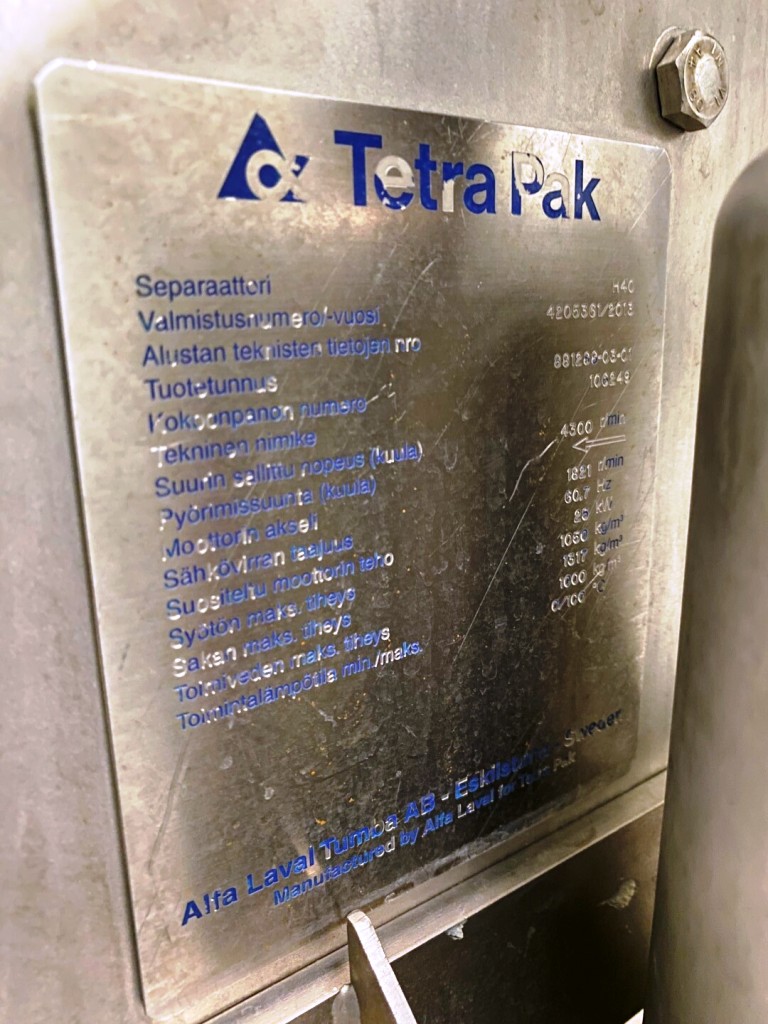
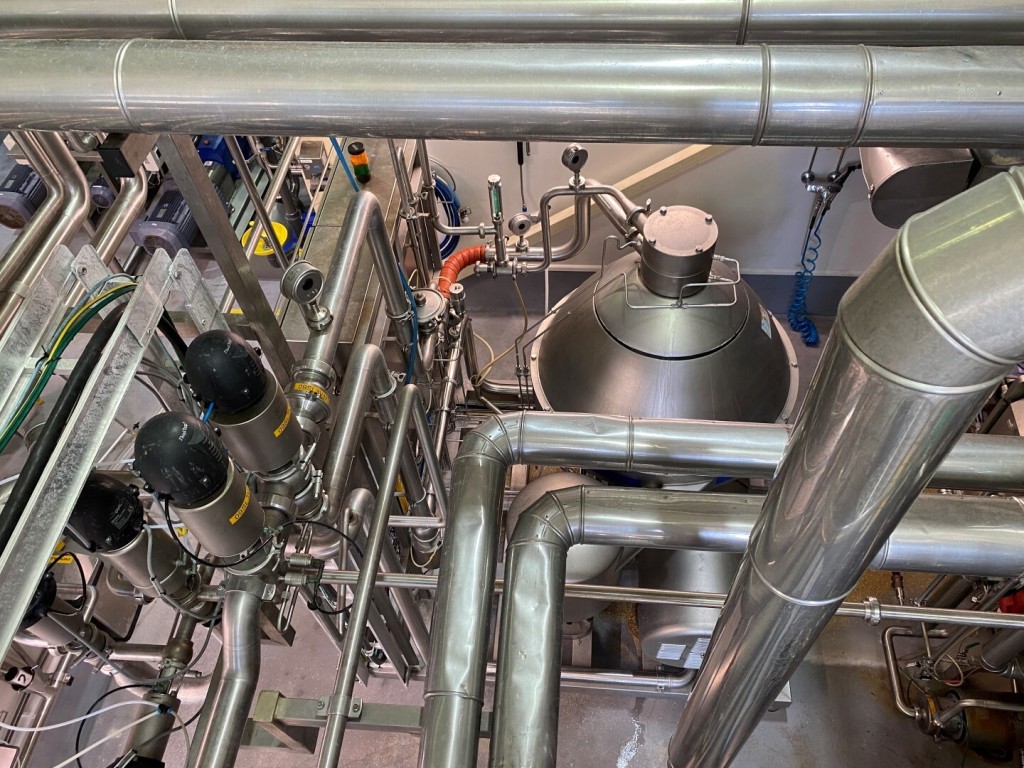
Separator – milk skimmer. Complete self-cleaning separator Tetra Pak, model: H40 with controls and tools, skid mounted. Frequency controller on the main motor, 25 KW. The separator has its own controls and communicates with the system through Profinet. Cream pasteurizer. Temperature cycle: in from separator 55°C-high 95°C-out 6°C. Capacity: up to 3.500 liter of cream pasteurization per hour. Complete kit with balance tank, pumps, plate heat exchanger C6-SR, valves, sensors, steam-hot water system interconnecting piping. CIP Unit. Complete CIP unit with 4 tanks of 3.300 liter each. Lye, acid and clean water tank are insulated. Breather in stainless steel to outside. 2 outgoing lines to be able to clean 2 items at same time. Including pumps, valves, interconnecting piping, chemical dosing of disinfectant to clean water tank. Controls: Complete with 5 field cabinets 5 remote IO boxes, 2 main PLC Siemens S7 (1 for processing and 1 for CIP), 2 Siemens HMI Touch screen panels at the reception unit, and ABB frequency converters on all pumps. All documentation flowcharts and software.
Excluding: Chemical dosing system of lye and acid (was centralized) and frame work in front of CIP. The line is still installed in Finland, can be visited on request. Located in Europe.
The Tetra Pak / Alfa-Laval milk reception and processing plant is engineered for high efficiency and reliability in the dairy industry. Designed to handle large volumes of milk and cream, this complete processing solution is equipped with advanced technology and robust components sourced from industry leaders Tetra Pak and Alfa Laval. With a reception capacity of up to 50,000 liters per hour for milk and 30,000 liters per hour for cream, the plant ensures seamless operations through its dual reception stations. Each station is meticulously designed with five hoses for truck connections, along with essential features such as air eliminators, flow transmitters, and temperature transmitters, ensuring optimal quality control during the reception process. The inclusion of centrifugal and lobe rotor pumps facilitates efficient transfer of milk and cream, while the skid-mounted design simplifies installation and maintenance, making it an ideal choice for modern dairy facilities.
The processing area is further enhanced by a fully automated milk sampling station, which guarantees consistent quality monitoring. The plant's sophisticated valve manifolds allow for flexible distribution of raw milk and cream across six storage tanks, while also enabling the distribution of pasteurized skim milk. The unique mix-proof design of the Tetra Pak valves ensures that cross-contamination is avoided, maintaining the integrity of the milk products. The six insulated vertical storage tanks, each with a capacity of 120,000 liters, are equipped with propeller agitators and CIP (Clean-In-Place) cleaning systems, ensuring that hygiene standards are met without compromising operational efficiency. The comprehensive milk and cream pasteurization systems are designed to meet stringent temperature cycles, ensuring that the final products are safe for consumption and retain their nutritional value.
In addition to the core processing capabilities, the Tetra Pak / Alfa-Laval milk reception and processing plant includes a complete CIP unit with four insulated tanks, allowing for simultaneous cleaning of multiple items. The advanced control systems, featuring Siemens PLCs and HMI touch panels, provide operators with intuitive interfaces for monitoring and managing the entire process. The plant's design also accommodates future scalability, making it a long-term investment for dairy producers looking to enhance their processing capabilities. With the line currently installed in Finland and available for inspection, potential buyers can witness firsthand the quality and efficiency that the Tetra Pak / Alfa-Laval milk reception and processing plant offers.
Key Features:
High Capacity Reception, Advanced Quality Control, Efficient Pasteurization, Robust CIP Cleaning System, Intuitive Control Systems
Frequently Asked Questions
We're sorry, but this item has been sold.
Please consider the alternatives below.